


Programmes
Bachelor of Computer Applications (BCA)
-

Undergraduate Level
-

4 Years Duration
 Download Brochure
Overview
The Bachelor of Computer Applications (BCA) at NSHM Institute of Computing & Analytics, Durgapur is a future-focused undergraduate programme designed to develop industry- ready computing professionals with strong foundations in computer science and applications.
NSHM is one of the top BCA colleges in West Bengal that combines core computing concepts with practical, hands-on learning, covering areas such as programming, data structures, database management, web technologies, software development, operating systems, and emerging digital tools. Emphasis is placed on problem-solving, logical thinking, and application-based learning, enabling students to build real-world software and IT solutions.
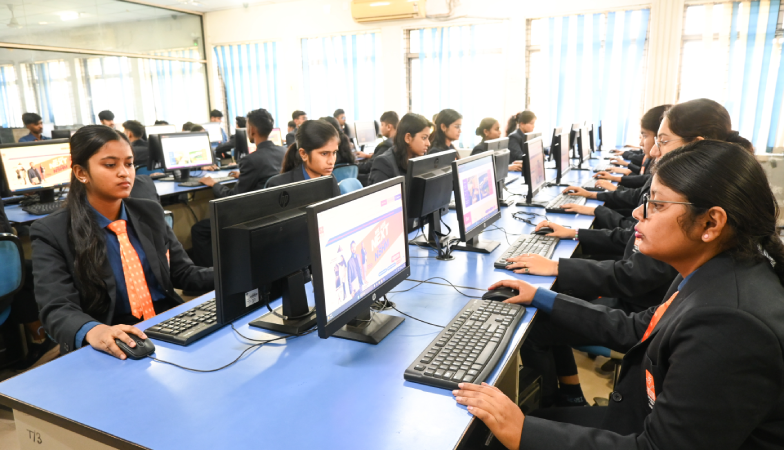
With access to modern computing labs, industry collaborations, certifications, live projects, internships, and expert-led sessions, students gain valuable exposure to current industry practices. The programme also focuses on professional skills, teamwork, communication, and ethical computing, preparing learners for dynamic IT environments.
The BCA programme at NSHM Durgapur prepares graduates for careers in lsoftware development, application support, web and mobile technologies, data and analytics roles, and IT services, while also providing a strong foundation for higher studies such as MCA, MBA, and advanced technology certifications.
Eligibility
10+2 passed from any recognized board
With Mathematics/ Statistics/Business Mathematics/Computer Science.
Candidates appearing for Class XII final can also apply.
Programme Educational Objectives
Graduates of this program will:
-
01
After graduating from one of the top BCA colleges in Durgapur, students apply foundational knowledge of computer applications, programming, and software development to solve real-world computing problems.
-
02
Design, develop, and deploy efficient software and web-based applications using appropriate tools and technologies.
-
03
Demonstrate professional skills, teamwork, communication abilities, and ethical responsibility in IT and business environments.
-
04
Adapt to emerging technologies and industry trends through continuous learning and professional development.
-
05
Pursue successful careers, higher education, or entrepreneurial ventures in computing and information technology.
Programme Outcomes (PO)
-
01
Apply knowledge of computing fundamentals, programming, and mathematics to solve computational problems.
-
02
Analyze problems and design efficient algorithms and software solutions.
-
03
Develop computer-based applications using modern programming languages, tools, and frameworks.
-
04
Use databases, operating systems, and web technologies effectively in application development.
-
05
Apply modern IT tools, development platforms, and software engineering practices.
-
06
Demonstrate professional ethics, data security awareness, and responsible computing practices.
-
07
Communicate effectively through technical documentation, reports, and presentations.
-
08
Work effectively as an individual and as a member of multidisciplinary teams.
-
09
Engage in independent learning and adapt to technological advancements.
Programme Specific Outcomes (PSO)
-
01
Software & Application Development
Develop, test, and maintain software and web applications using appropriate programming paradigms and tools.
-
02
Data Handling & Analytics
Apply database systems, data processing techniques, and basic analytics to support data-driven decision making.
-
03
Emerging Technologies & Industry Readiness
Utilize foundational knowledge of cloud computing, automation, and emerging IT technologies for real-world applications.
Key Facts
- Curriculum Focus : Programming, Software Development, Databases, Web Technologies, Operating Systems
- Emerging Areas Covered : Data Analytics, Cloud Fundamentals, AI Basics, Automation Tools
- Teaching Approach : Industry-oriented, practical, and application-based learning
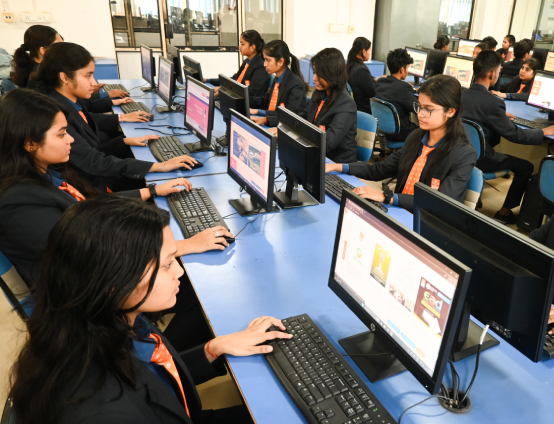
- Practical Exposure : Coding labs, mini-projects, live projects, internships
- Career Pathways : Software Developer, Web Developer, Application Support, Data Analyst (Entry Level)
- Higher Study Options : MCA, MBA, M.Sc. IT, professional certifications
Curriculum
Semester-wise syllabus PDF
 Semester - 1
Scholarship
Eligible students may also avail government and statutory scholarships as applicable. The scholarship framework at NSHM aims to promote inclusive education, academic excellence, and equal access to quality learning.
Terms and eligibility criteria apply as per institutional guidelines.
Highlights/ Advantage
-
Industry-Oriented Curriculum aligned with current IT and computing industry requirements.
-
Strong Programming Foundation covering multiple languages and application development tools.
-
Hands-On Learning Approach through labs, projects, internships, and real-time problem solving.
-
Exposure to Emerging Technologies such as analytics, cloud computing, and basic AI concepts.
-
Strong Industry Collaborations enabling certifications, workshops, and expert-led sessions.
-
CDAC : The collaboration brings students the opportunities to attend CDAC conducted certificate courses on Information Technology.
-
Celonis : Celonis offers learning opportunities on their cutting edge business process mining solutions.
-
Subex IoT : Subex offers workshops on smart technology using IoT devices. The workshops provide students hands-on learning experience in developing IoT solutions.
-
Amazon Educational Services : offers students self-paced training and resources on Amazon clouds service (AWS).
-
Nasscom Future Skills Prime : this collaboration equips IT students with Intelligent Automation competencies, offering courses in AI, Big Data , Cloud Computing, Cybersecurity and more.
-
Experienced Faculty with academic expertise and industry exposure.
-
Modern Computing Infrastructure including advanced labs, cloud platforms, and smart classrooms.
-
Career & Placement Support with guidance for internships, projects, and IT roles.
-
Focus on Professional Skills including communication, teamwork, and ethical computing practices.
-
Pathways for Higher Education including MCA, MBA, and specialized technology certifications.
Teaching Pedagogies
-
01
Learner-Centric Pedagogy
The learning environment prioritizes student engagement through active learning strategies and personalized learning pathways, encouraging critical thinking and self-directed growth.
-
02
Outcome-Based Education (OBE)
Programmes are structured around clearly defined outcomes using CO–PO mapping and rubrics-based assessments, ensuring measurable learning achievements aligned with academic and industry standards.
-
03
Experiential & Applied Learning
Students gain hands-on exposure through industry expert lectures, lab- and studio-based work, and application-oriented assignments that bridge theory with practice.
-
04
Technology-Enabled Teaching
Teaching is enhanced with smart classrooms, Learning Management Systems (LMS), and advanced digital tools that promote interactive, blended, and flexible learning.
-
05
Research-Based Teaching
Students are encouraged to explore inquiry-driven learning through research projects, literature review work, and exposure to contemporary research methodologies.
-
06
Problem-Based Learning (PBL)
Real-world relevance is built through case studies and project-based learning, enabling students to solve practical problems collaboratively and creatively.
-
07
Collaborative Learning
Learning is strengthened through group tasks, teamwork, and peer assessment, fostering communication skills, leadership, and mutual learning.
-
08
Skill & Competency-Based Teaching
Alongside academics, students are trained through professional certifications, soft-skill development, and employability-focused modules to enhance career readiness.
-
09
Inclusive Teaching Practices
NSHM promotes equitable learning with bridge courses, academic support systems, and structured student mentoring to cater to diverse learner needs.
-
10
Continuous Assessment & Feedback
Student progress is monitored through assignments, quizzes, presentations, and practical evaluations, supported by timely and constructive feedback.
-
11
Community & Social Learning
Learning extends beyond the classroom through outreach programmes, community engagement, and extension activities that instill social responsibility.
-
12
Faculty Development & Pedagogy Training
Faculty members regularly participate in Faculty Development Programmes (FDPs), pedagogy training, and research workshops to ensure teaching excellence and innovation.
Scope & Career Opportunities
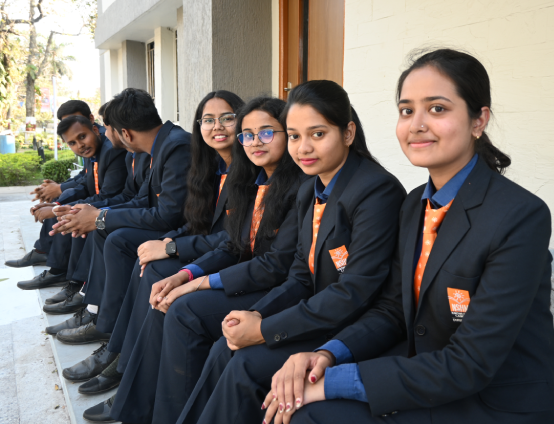
As the demand for IT professionals is increasing every day, students can find job opportunities in India as well as abroad after studying BCA. Not only in private sectors, but there are ample opportunities in public sectors too. As the top BCA college, NSHM provides its students growth opportunities like
- Computer System Analyst
- Computer Technical Support
- Software Programmer
- Software Developer
- Web developer
- Software Quality Assurance Analyst
- Database Administrator
- Networking and Systems Administrator
- MIS Executive
- BPO / ITES Executive