


Programmes
M.Sc. - Clinical Psychology
-

Postgraduate Level
-

2 Years Duration
 Download Brochure
Overview
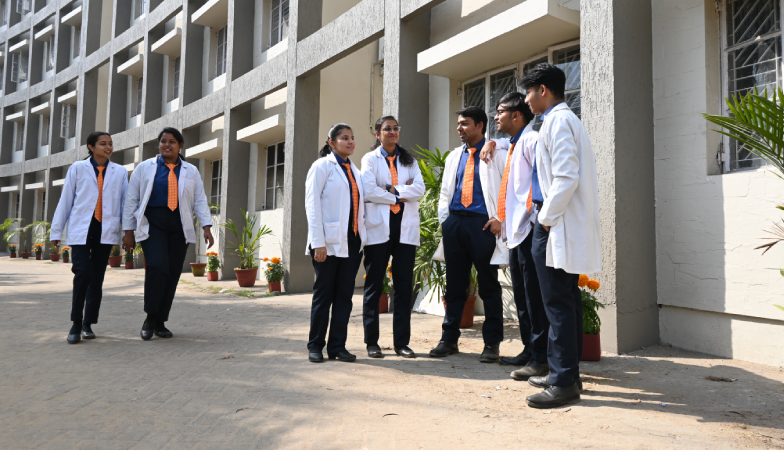
The M.Sc. in Clinical Psychology at NSHM Knowledge Campus, Durgapur is a specialized postgraduate programme designed to develop competent mental health professionals equipped to assess, diagnose, and manage psychological disorders across diverse populations.
The M Sc Clinical Psychology programme integrates theoretical foundations of psychology with clinical training, therapeutic interventions, psychological assessment, research methodology, and ethical practice. Emphasis is placed on understanding human behaviour, mental health challenges, and evidence-based therapeutic approaches within clinical and community settings.
Through clinical exposure, supervised training, internships, case studies, and research-based learning, students develop professional competence required for mental health practice, counselling services, rehabilitation centres, hospitals, and allied healthcare institutions. Graduates of the programme are prepared for professional roles in clinical psychology services, mental health organizations, hospitals, NGOs, rehabilitation centres, and research institutions, as well as for higher studies and doctoral research in psychology. Teaching Pedagogies.
Eligibility
A bachelor's degree typically in Psychology
A bachelor's degree typically in Psychology from a recognized university
Programme Outcomes (PO)
-
01
Students of Masters Degree in Clinical Psychology demonstrate comprehensive understanding of theories, models, and practices in Clinical Psychology and Health Psychology.
-
02
Identify, assess, and diagnose psychological problems across the lifespan using standardized psychological tools and diagnostic frameworks.
-
03
Formulate and implement evidence-based therapeutic interventions, including psychodynamic, behavioural, cognitive, and humanistic approaches.
-
04
Apply research methodology and statistical techniques for psychological investigation, data analysis, and evidence generation.
-
05
Uphold ethical, legal, and professional standards in psychological practice, research, and client management.
-
06
Effectively present case histories, psychometric evaluations, and therapeutic processes to professionals, clients, and stakeholders.
-
07
Employ psychometric tools, rating scales, and psychological software for assessment, testing, and data interpretation.
-
08
Function effectively as a professional in multidisciplinary healthcare teams and community-based mental health settings.
-
09
Engage in continuous professional development, higher education, research, and advanced clinical training.
-
10
Apply psychological knowledge and skills to promote mental well-being, mental health awareness, prevention, and social development.
Programme Specific Outcomes (PSO)
-
01
Clinical Assessment & Diagnosis
Apply psychological testing, assessment tools, and diagnostic criteria effectively.
-
02
Therapeutic Interventions
Implement evidence-based counselling and psychotherapy techniques.
-
03
Ethical & Professional Practice
Demonstrate ethical decision-making, confidentiality, and professional conduct in clinical settings.
Key Facts
- Curriculum Focus: Clinical psychology, psychopathology, assessment, counseling, psychotherapy
- Teaching Approach: Outcome-Based Education with experiential and clinical learning
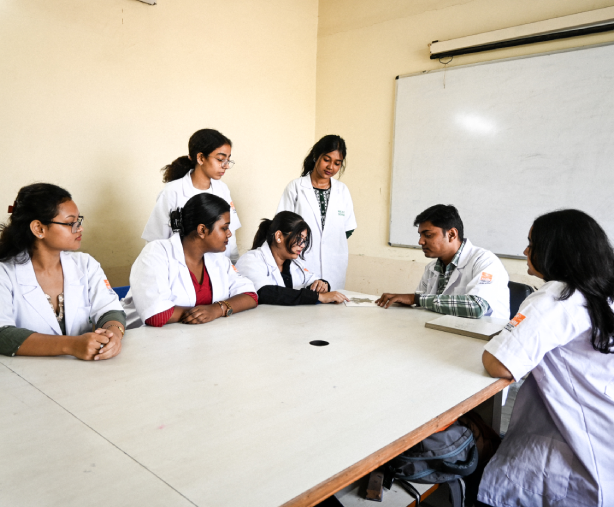
- Practical Exposure: Clinical postings, internships, case studies, and supervised training
- Skill Development: Psychological assessment, counseling skills, therapeutic interventions
- Career Opportunities: Clinical psychologist (as per regulatory norms), counselor, therapist, researcher
- Higher Pathways: Ph.D in Psychology, research and academic careers
Curriculum
Semester-wise syllabus PDF
 Semester-1
Scholarship
Eligible students may also avail government and statutory scholarships as applicable. The scholarship framework at NSHM aims to promote inclusive education, academic excellence, and equal access to quality learning.
Terms and eligibility criteria apply as per institutional guidelines.
Highlights/ Advantage
-
Guided Internship at Bankura District Correctional Home (Government of West Bengal)
-
Guided Internship at well-known private as well as government hospitals.
-
Placements as psychologists at renowned hospitals like Ruban Hospital.
-
Placements as mental health specialists/psychologist at specialty clinics like Reborn Child Development Centre.
-
Placements in schools as counselors cum teachers.
-
Courses guided by RCI registered clinicians.
-
Open work pathways to the field of research, journalism, management, sports, military along with being a registered Clinical Psychologists.
Teaching Pedagogies
-
01
Learner-Centric Pedagogy
The learning environment prioritizes student engagement through active learning strategies and personalized learning pathways, encouraging critical thinking and self-directed growth.
-
02
Outcome-Based Education (OBE)
Programmes are structured around clearly defined outcomes using CO–PO mapping and rubrics-based assessments, ensuring measurable learning achievements aligned with academic and industry standards.
-
03
Experiential & Applied Learning
Students gain hands-on exposure through industry expert lectures, lab- and studio-based work, and application-oriented assignments that bridge theory with practice.
-
04
Technology-Enabled Teaching
Teaching is enhanced with smart classrooms, Learning Management Systems (LMS), and advanced digital tools that promote interactive, blended, and flexible learning.
-
05
Research-Based Teaching
Students are encouraged to explore inquiry-driven learning through research projects, literature review work, and exposure to contemporary research methodologies.
-
06
Problem-Based Learning (PBL)
Real-world relevance is built through case studies and project-based learning, enabling students to solve practical problems collaboratively and creatively.
-
07
Collaborative Learning
Learning is strengthened through group tasks, teamwork, and peer assessment, fostering communication skills, leadership, and mutual learning.
-
08
Skill & Competency-Based Teaching
Alongside academics, students are trained through professional certifications, soft-skill development, and employability-focused modules to enhance career readiness.
-
09
Inclusive Teaching Practices
NSHM promotes equitable learning with bridge courses, academic support systems, and structured student mentoring to cater to diverse learner needs.
-
10
Continuous Assessment & Feedback
Student progress is monitored through assignments, quizzes, presentations, and practical evaluations, supported by timely and constructive feedback.
-
11
Community & Social Learning
Learning extends beyond the classroom through outreach programmes, community engagement, and extension activities that instill social responsibility.
-
12
Faculty Development & Pedagogy Training
Faculty members regularly participate in Faculty Development Programmes (FDPs), pedagogy training, and research workshops to ensure teaching excellence and innovation.
Scope & Career Opportunities
- Clinical Psychologist (after obtaining RCI recognition or equivalent licensure) Provide psychological assessment, diagnosis, and therapeutic interventions for mental health conditions.
- Mental Health Counsellor / Therapist Deliver evidence-based counselling and psychotherapy services for individuals, families, and groups.
- Rehabilitation Professional Work in rehabilitation centres addressing mental illness, substance abuse, disability, and behavioural disorders.
- Researcher / Academician Engage in teaching, academic research, psychological studies, and publications in universities and research institutions.
- School / College Counsellor Support student mental health, emotional development, academic stress management, and career guidance.
- Forensic & Correctional Psychologist (Entry-Level / Support Roles) Work in correctional facilities and forensic settings focusing on behavioural assessment, rehabilitation, and reintegration.
- Community Mental Health Professional Contribute to NGOs and community programmes promoting mental health awareness, prevention, and outreach services.
- Corporate Wellness & Employee Assistance Professional Support organizational mental well-being through corporate wellness programmes, stress management, and HR initiatives.