


Programmes
B.Sc. - Culinary Science
-

Undergraduate Level
-

4 Years Duration
 Download Brochure
Overview
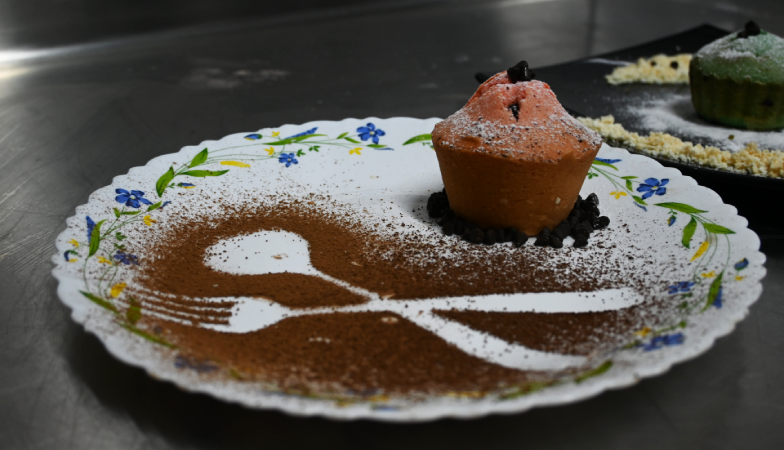
The B.Sc. in Culinary Science at NSHM Institute of Hotel & Tourism Management, Durgapur is a specialized undergraduate programme designed to develop professionally trained culinary experts with strong foundations in food production, culinary arts, food science, nutrition, and kitchen management.
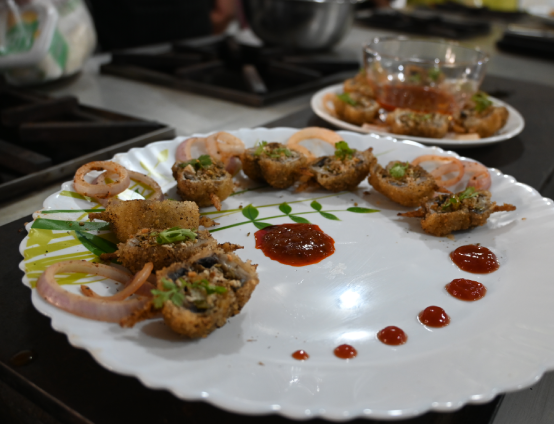
The programme blends the art and science of cooking with modern hospitality practices, enabling students to master classical and contemporary cuisines, bakery and pastry arts, food safety, menu planning, cost control, and culinary innovation. Equal emphasis is placed on theoretical understanding and intensive hands-on kitchen training, ensuring industry readiness from day one.
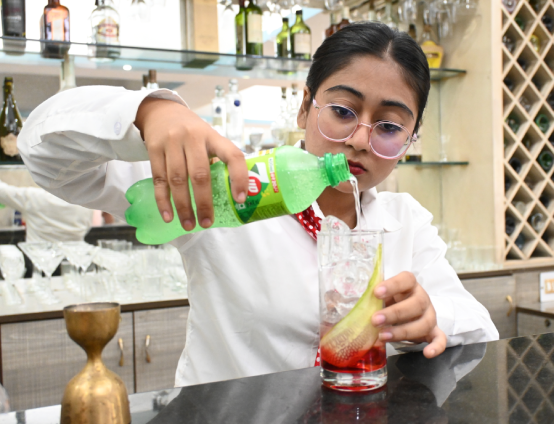
Students gain extensive practical exposure through state-of-the-art training kitchens, live cooking sessions, food labs, internships, industrial training, and industry interactions. The curriculum also integrates food hygiene standards, sustainability practices, nutrition awareness, and global culinary trends, preparing learners for dynamic careers in the food and hospitality sector.
Guided by experienced chef faculty and hospitality professionals, the B.Sc. Culinary Science programme prepares graduates for careers as professional chefs, culinary specialists, food entrepreneurs, kitchen managers, product developers, and food consultants. The programme also provides a strong foundation for higher studies, specialization, and entrepreneurship in culinary arts and food sciences.
At NSHM Durgapur, the B.Sc. in Culinary Science nurtures professionals who combine culinary creativity, technical precision, discipline, and business acumen, making them well-equipped to succeed in the global food and hospitality industry.
Eligibility
10+2 from any recognized board
Candidates appearing for Class XII final can also apply
Programme Educational Objectives
Graduates of this program will:
-
01
Professional Excellence
Apply comprehensive knowledge and practical skills in advanced imaging technologies, such as radiographic positioning, computed tomography, magnetic resonance imaging, and nuclear medicine, to deliver high-quality diagnostic imaging services. Graduates will demonstrate proficiency through hands-on training in courses like Clinical Radiographic Positioning (Practical), Computed Tomography (Practical), and internships, ensuring they meet industry standards, adapt to evolving medical imaging technologies, and contribute effectively to patient care and diagnostic accuracy
-
02
Leadership & Innovation
Create innovative solutions and demonstrate leadership in healthcare settings by leveraging interdisciplinary learning from courses like AI in Radiology (Part I and II), Industry Readiness Training, and Research Project Phases I and II. Graduates will lead healthcare teams, drive advancements in imaging technology, and implement novel approaches to improve diagnostic processes, supported by skills developed in courses like Entrepreneurship Approach in Healthcare System and Basics of Biostatistics and Research Methodology.
-
03
Ethical & Social Responsibility
Evaluate ethical standards and social responsibilities in medical imaging practices by integrating principles from courses such as Medical Law & Ethics, Radiation Protection & Safety in Diagnostic Radiology, and Universal Human Value (UHV). Graduates will prioritize patient safety, maintain confidentiality, and adhere to regulatory guidelines, while contributing to community health and sustainable practices through knowledge gained in Environmental Studies and Rural Sensitization and hands-on training in radiation protection
Programme Outcomes (PO)
-
01
Technical Knowledge in Imaging
Apply principles of radiation physics, atomic structure, and imaging equipment operation to perform diagnostic procedures effectively.
-
02
Equipment Operation and Maintenance
Demonstrate proficiency in operating, maintaining, and troubleshooting X-ray tubes, generators, and advanced imaging systems (e.g., CT, MRI, USG).
-
03
Image Quality Optimization
Utilize image quality techniques, beam restriction, and digital radiology technologies (CR, DR, PACS) to enhance diagnostic accuracy and minimize patient exposure.
-
04
Radiographic Positioning Skills
Perform accurate radiographic positioning and movement techniques for various anatomical regions, including trauma and non-trauma cases.
-
05
Patient Safety and Care
Ensure safe, compassionate, and patient-centered care during radiological procedures, adhering to radiation safety and infection control protocols.
-
06
Radiation Safety Awareness
Understand and implement radiation safety principles, including protection measures, dose optimization, and informed consent processes
-
07
Clinical Procedure Competence
Execute specialized projections and fluoroscopic procedures (e.g., gastrointestinal, urinary, biliary) with clinical precision and adaptability.
-
08
Medical Terminology Proficiency
Master radiology-specific terminology for clear interaction, documentation, and effective communication with healthcare teams and patients.
-
09
Paediatric Imaging Expertise
Adapt imaging techniques and prioritize radiation safety to meet the unique needs of paediatric patients.
-
10
Ethical and Professional Standards
Adhere to ethical, legal, and professional standards in clinical radiography, ensuring patient dignity and informed consent
-
11
Interventional Radiology Skills
Demonstrate expertise in interventional radiology techniques (e.g., ablation, embolization) and related imaging modalities (fluoroscopy, CT, MRI, ultrasound).
-
12
Interventional Radiology Skills
Demonstrate expertise in interventional radiology techniques (e.g., ablation, embolization) and related imaging modalities (fluoroscopy, CT, MRI, ultrasound).
Programme Specific Outcomes (PSO)
-
01
Application of Imaging Knowledge
Apply principles of radiation, equipment operation, and positioning to functional diagnostic problems.
-
02
Clinical Leadership and Innovation
Demonstrate procedural skills, teamwork, and adaptability in advanced imaging strategies.
-
03
Ethical and Safety Responsibility
Evaluate decisions for radiation safety, patient care, and governance in healthcare settings.
Key Facts
- Full Form: Bachelor in Radiology and Imaging Technology (BRIT)
- Duration: 4 years (plus compulsory internship)
- Eligibility: 10+2 with Science (Physics, Chemistry, Biology)
- Focus Area: Use of medical imaging techniques for disease diagnosis and treatment support
- Core Subjects: Anatomy, Radiation Physics, Radiographic Techniques, CT, MRI, Ultrasound, and Radiation Safety
- Training: Includes clinical postings and hands-on experience with imaging equipment in hospitals
- Career Roles: Radiology Technologist, MRI/CT Technician, Sonography Assistant, Radiographer, Imaging Supervisor
- Employment Sectors: Hospitals, Diagnostic & Imaging Centers, Research Institutes, Equipment Companies
- Higher Studies: M.Sc. in Radiology & Imaging Technology, Medical Physics, or Hospital Administration
- Key Skills Developed: Technical expertise, attention to detail, patient care, and safety management in radiology
 Year - 1
 Scholarship
Eligible students may also avail government and statutory scholarships as applicable. The scholarship framework at NSHM aims to promote inclusive education, academic excellence, and equal access to quality learning.
Terms and eligibility criteria apply as per institutional guidelines.
Highlights/ Advantage
-
Blend of Culinary Arts & Food Science:
Combines hands-on culinary skills with the scientific principles behind food preparation, preservation, nutrition, and innovation.
-
Comprehensive Curriculum:
Covers areas like food safety, sensory evaluation, gastronomy, food science, nutrition, and modern culinary techniques.
-
Industry-Oriented Training:
Includes internships and live projects with hotels, restaurants, catering companies, or food manufacturing industries.
-
Research & Innovation Focus:
Encourages experimentation with ingredients, recipe formulation, and product development based on scientific analysis.
-
Use of Modern Equipment & Techniques:
Students learn to use state-of-the-art kitchen technology and laboratory tools, bridging the gap between art and science.
-
Entrepreneurial Skills:
Prepares students for entrepreneurship in the food and hospitality industry — restaurant startups, catering, or food product innovation.
-
Global Exposure:
Many programmes include international culinary trends, world cuisines, and sometimes exchange opportunities.
-
Diverse Career Opportunities:
Graduates can work as R&D chefs, culinary experts, product developers, food photographers, food bloggers or food hygiene officers.
-
Higher Employability:
The blend of science and culinary skills makes graduates potential employers to hotels, food packaging industries, commercial caterings, cruise liners and FMCG companies.
-
Pathway to Advanced Studies:
Opens doors to M.Sc. or postgraduate programmes in Food Science, Nutrition, or Hospitality Management.
-
Creative + Analytical Skill Development:
Enhances both creative cooking abilities and analytical problem-solving — a rare combination.
-
Sustainability & Innovation:
Focus on sustainable cooking, food waste reduction, and the development of healthier, more efficient food systems and food promoters.
-
Personal Growth:
Builds teamwork, leadership, communication, and time-management skills — all essential in the culinary and hospitality sectors.
Teaching Pedagogies
-
01
Learner-Centric Pedagogy
The learning environment prioritizes student engagement through active learning strategies and personalized learning pathways, encouraging critical thinking and self-directed growth.
-
02
Outcome-Based Education (OBE)
Programmes are structured around clearly defined outcomes using CO–PO mapping and rubrics-based assessments, ensuring measurable learning achievements aligned with academic and industry standards.
-
03
Experiential & Applied Learning
Students gain hands-on exposure through industry expert lectures, lab- and studio-based work, and application-oriented assignments that bridge theory with practice.
-
04
Technology-Enabled Teaching
Teaching is enhanced with smart classrooms, Learning Management Systems (LMS), and advanced digital tools that promote interactive, blended, and flexible learning.
-
05
Research-Based Teaching
Students are encouraged to explore inquiry-driven learning through research projects, literature review work, and exposure to contemporary research methodologies.
-
06
Problem-Based Learning (PBL)
Real-world relevance is built through case studies and project-based learning, enabling students to solve practical problems collaboratively and creatively.
-
07
Collaborative Learning
Learning is strengthened through group tasks, teamwork, and peer assessment, fostering communication skills, leadership, and mutual learning.
-
08
Skill & Competency-Based Teaching
Alongside academics, students are trained through professional certifications, soft-skill development, and employability-focused modules to enhance career readiness.
-
09
Inclusive Teaching Practices
NSHM promotes equitable learning with bridge courses, academic support systems, and structured student mentoring to cater to diverse learner needs.
-
10
Continuous Assessment & Feedback
Student progress is monitored through assignments, quizzes, presentations, and practical evaluations, supported by timely and constructive feedback.
-
11
Community & Social Learning
Learning extends beyond the classroom through outreach programmes, community engagement, and extension activities that instil social responsibility.
-
12
Faculty Development & Pedagogy Training
Faculty members regularly participate in Faculty Development Programmes (FDPs), pedagogy training, and research workshops to ensure teaching excellence and innovation.
Scope & Career Opportunities
- Commercial kitchens and restaurants
- Food manufacturing and processing industries
- Research & development laboratories
Scope of the Program
The B.Sc. in Culinary Science bridges the gap between culinary arts and food science, preparing graduates for diverse roles in both the hospitality and food technology industries. This interdisciplinary programme offers wide-ranging opportunities in culinary innovation, food research, nutrition, product development, and entrepreneurship.
Graduates are trained to work in
- Nutrition and diet consultancy
- Food safety and quality assurance sectors
- Culinary education and training institutions
Culinary and Hospitality Sector
- Executive Chef / Sous Chef / Research Chef
- Menu Developer / Culinary Consultant
- Food & Beverage Manager
- Culinary Instructor / Trainer
Food Science and Technology Sector
- Food Technologist / Food Scientist
- Product Development Specialist
- Sensory Analyst / Quality Control Officer
- Food Safety and Hygiene Officer
Nutrition and Health Sector
- Nutrition Consultant / Diet Planner
- Health and Wellness Product Developer
- Functional Food Innovator
Research, Development & Innovation
- R&D Chef (in hotel chains or food industries)
- Culinary Research Associate
- Food Innovation Specialist
Entrepreneurship & Business Opportunities
- Restaurant or Café Owner
- Bakery or Confectionery Entrepreneur
- Packaged / Ready-to-Eat Food Brand Founder
- Food Blogger, Critic, or Culinary Content Creator
Higher Education & Global Opportunities - Graduates can pursue postgraduate studies or specialized certifications such as
- M.Sc. in Food Science, Nutrition, or Culinary Arts
- MBA in Hospitality or Food Business Management
- Certifications in Food Safety, HACCP, or International Culinary Arts
The global demand for professionals skilled in both food science and culinary creativity ensures strong career prospects in international hotels, cruise lines, catering firms, and food manufacturing companies.